A boardgame to help young urban adults build self-confidence and develop healthier coping mechanisms by integrating Cognitive Behavioral Therapy (CBT) techniques.
My Role
UX Researcher
Game Designer
Visual Designer
Usability Testing
Goals
Remove Stigma
Foster Connection
Build Strength with Skills
Design Challenge
How might we use Cogntive Behavioural Therapy (CBT) techniques to address the fears and anxieties of young urban adults, empowering them to build self-confidence, improve self-esteem, overcome emotional challenges, and develop healthier coping mechanisms by targeting and changing their core beliefs?
What is the problem?
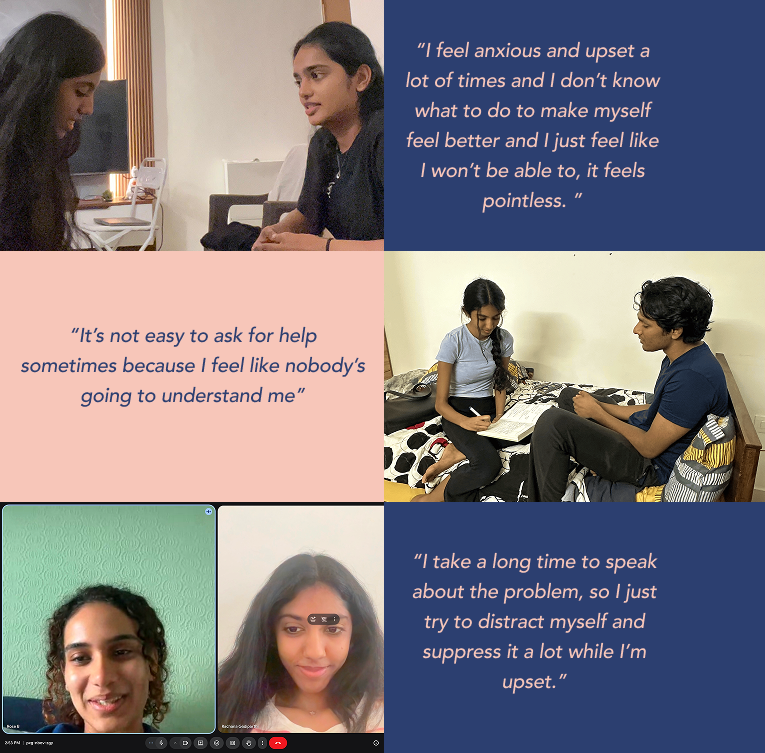
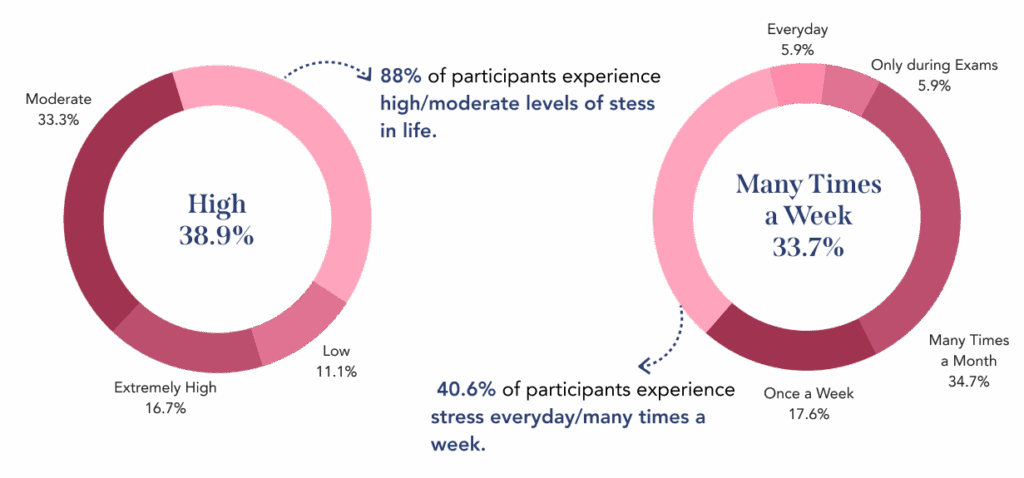
I conducted quantitative & qualitative research to understand them better
0%
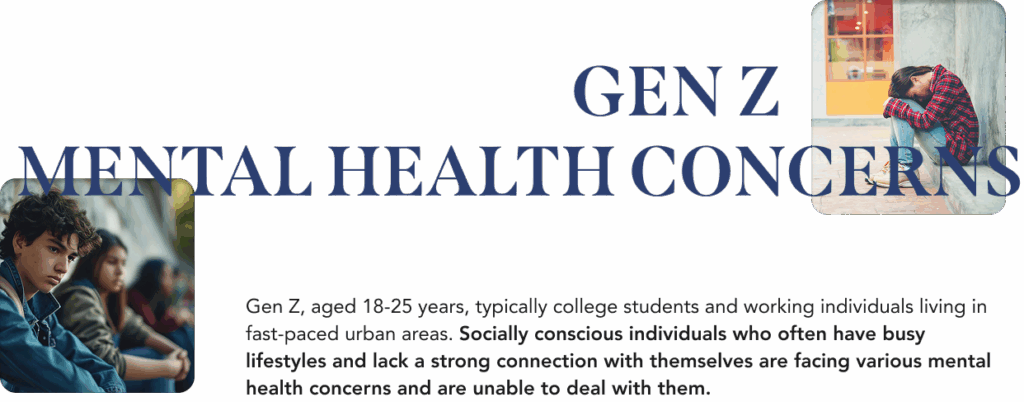
Gen Z highly values self-improvement and personal growth but often feels helpless, hopeless, and unsupported, hindering their progress.
Key Challenges Faced By Gen Z
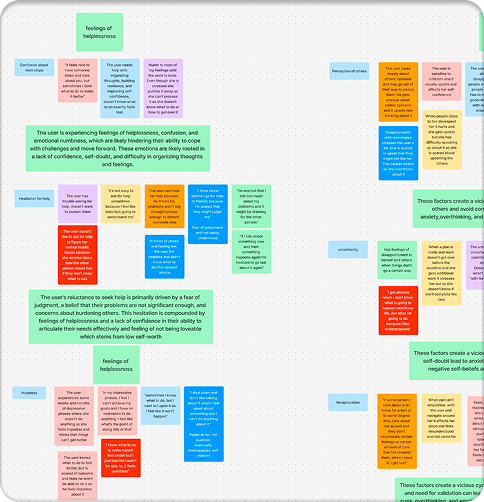
I analysed the data and came up with some insights
Lack of Self Worth &
Lack of Self Control
Behaviors like overthinking, procrastination, and communication struggles often stem from core beliefs of feeling unworthy, unloved, or inadequate, leading to low self-esteem and self-confidence.
Helpless & Hopeless
Avoidance strategies like procrastination, distraction, and emotional suppression are common, leaving individuals feeling hopeless about their mental health and struggling to seek help towards improvement.
Fear of Failure &
Fear of Rejection
Behaviors like overthinking, procrastination, and communication struggles often stem from core beliefs of feeling unworthy, unloved, or inadequate, leading to low self-esteem and self-confidence.
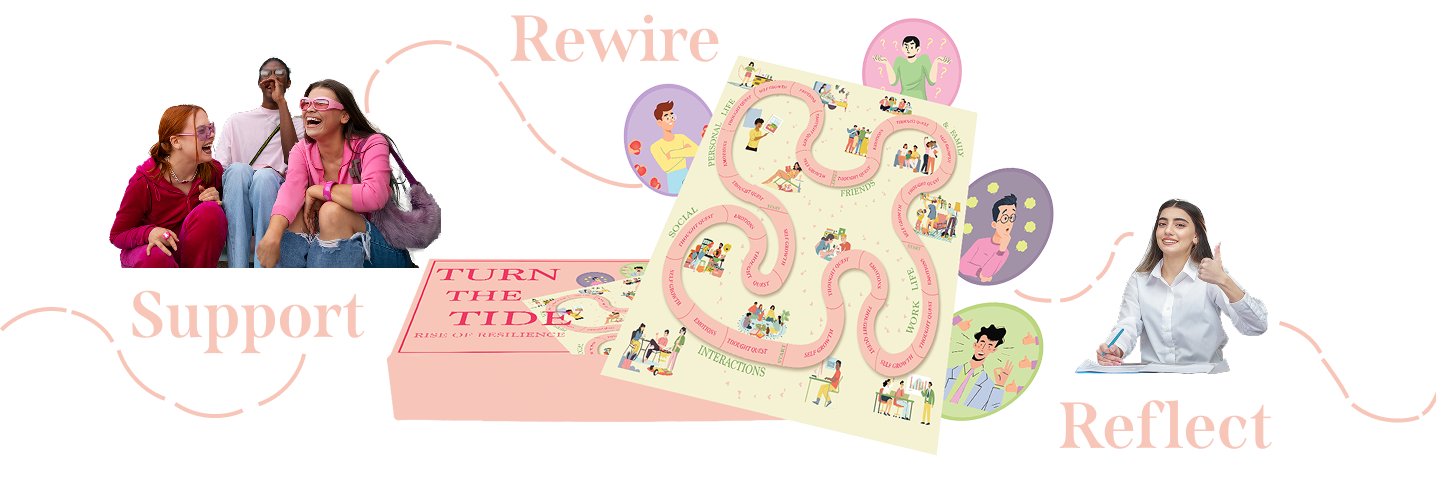
Gen Z needed support, connect, skills & strategies to cope with the challenges they were facing regularly
What methods can be used to instil coping strategies, help them
understand mental health and foster connection?
CBT to effectively address mental health challenges?
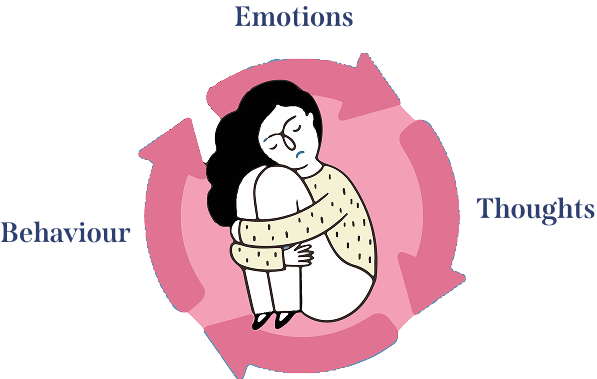
Cognitive Behavioral Therapy (CBT) is a psychotherapy that helps individuals identify and change negative thoughts and behaviors, promoting healthier coping mechanisms for emotional and psychological issues.
Introducing
Turn The Tide; Rise of Resilience
The game “Turn the Tide: Rise of Resilience” empowers players to face emotional challenges using CBT techniques, promoting self-awareness, resilience, and teamwork. It helps reframe negative beliefs, foster self-confidence, and normalize seeking mental health support, encouraging personal growth and a sense of community.
Game Components
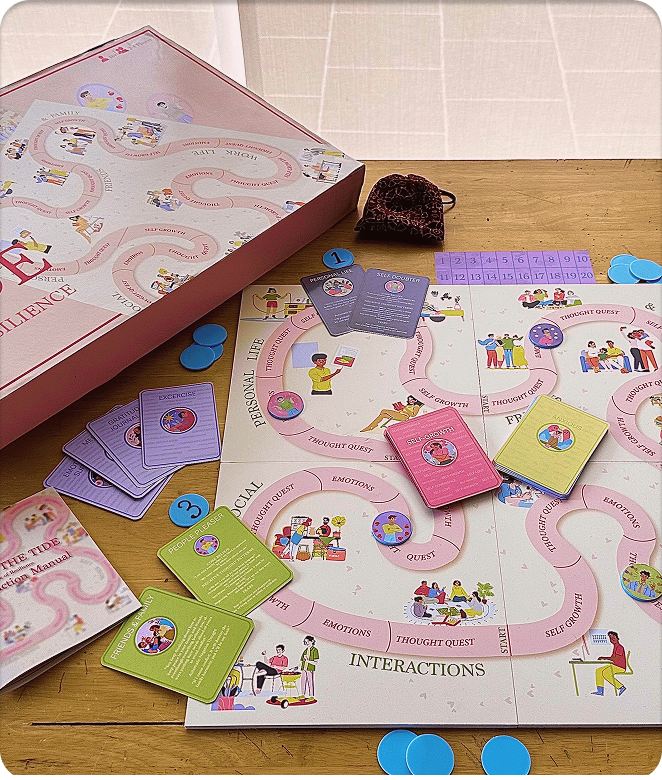
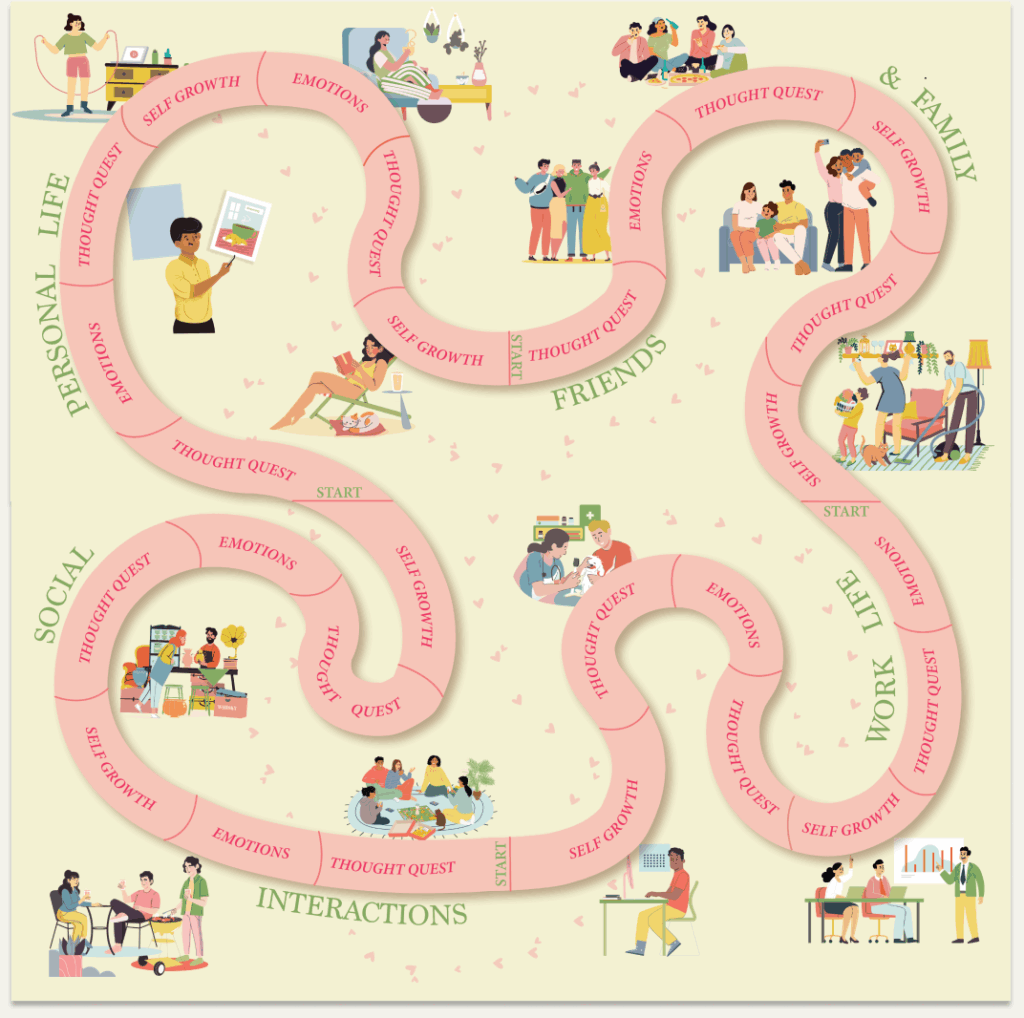
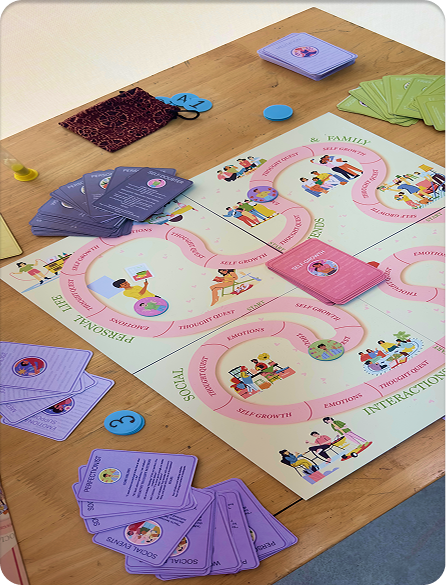
Game Board
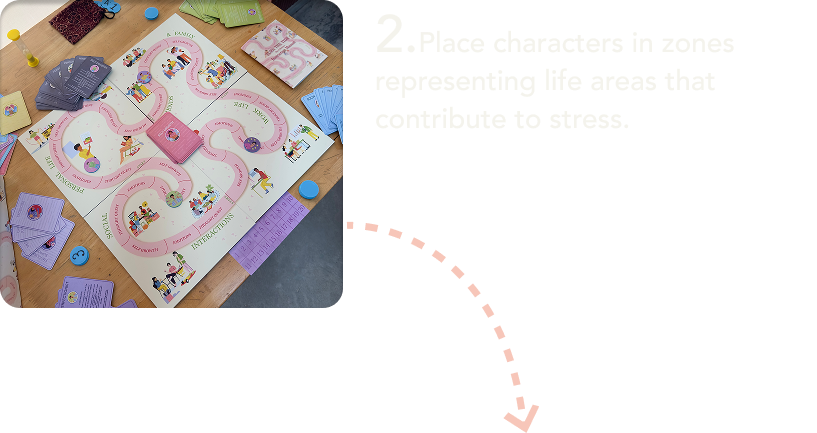
The game board features 4 zones-with designated spots for Thought Quest, Self-Growth, and Emotions cards
Character Tokens
4 Character Tokens; Overthinker, Self-Doubter, People-Pleaser, Perfectionist.
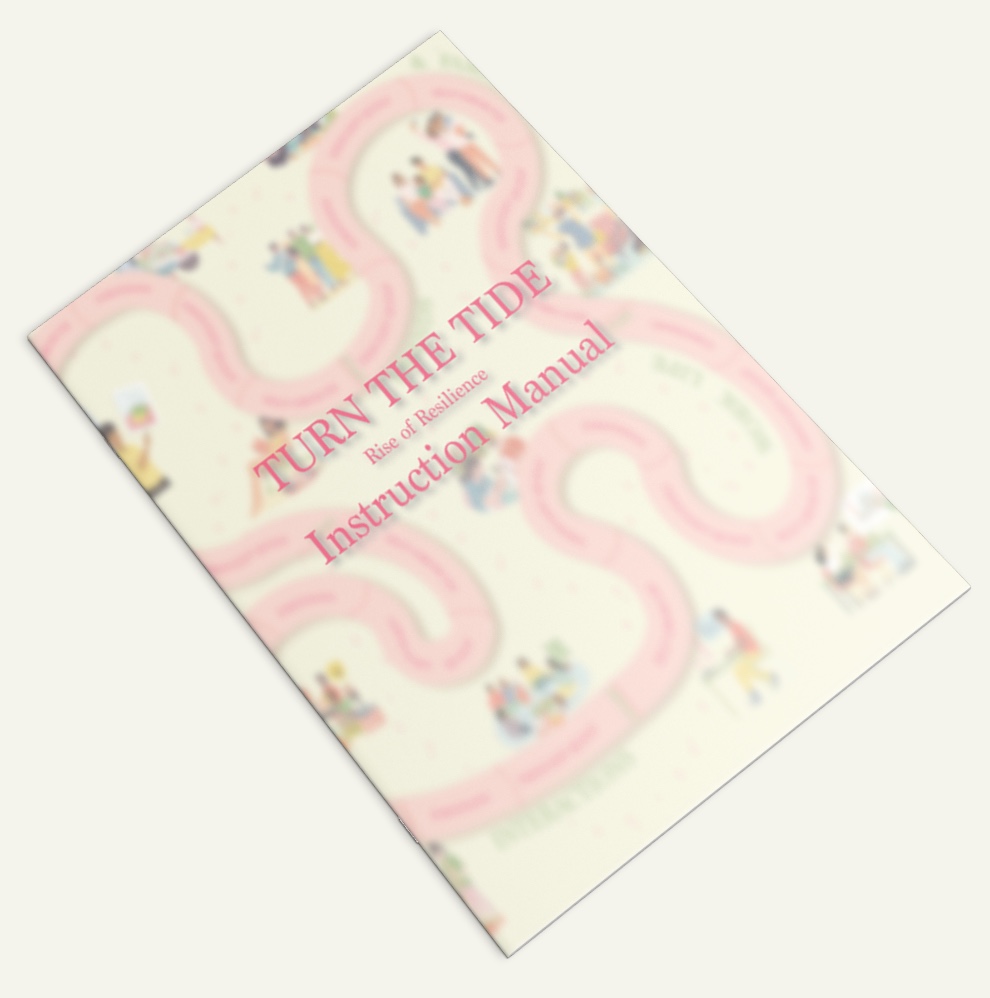
Instruction Manual
Action Point Tokens
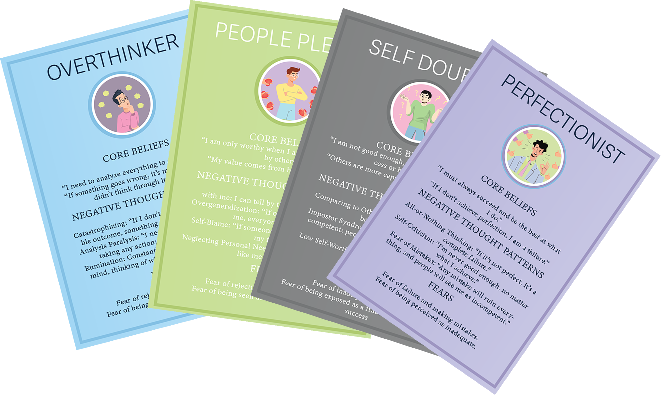
Character Persona Cards
4 Character Persona Cards (each with specific core beliefs, fears, and negative thought patterns)
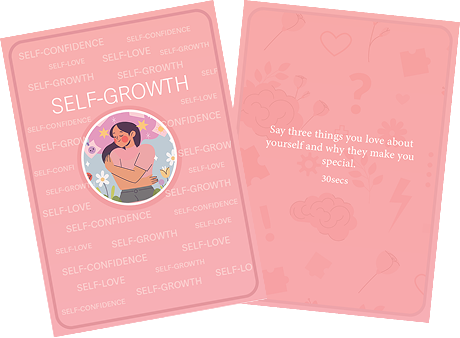
Self Growth Cards
1 Deck of Self Growth cards with different tasks that boost self-confidence and self-worth.
Emotion Cards
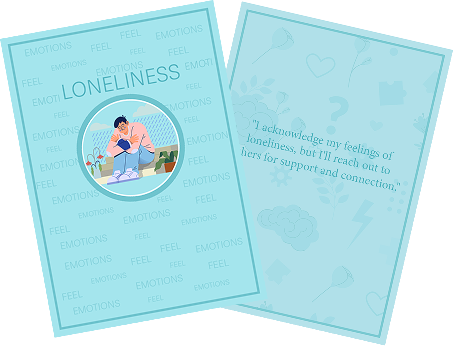
1 Deck of Emotions Cards. The sentence to process the emotion is written at the back of the card.
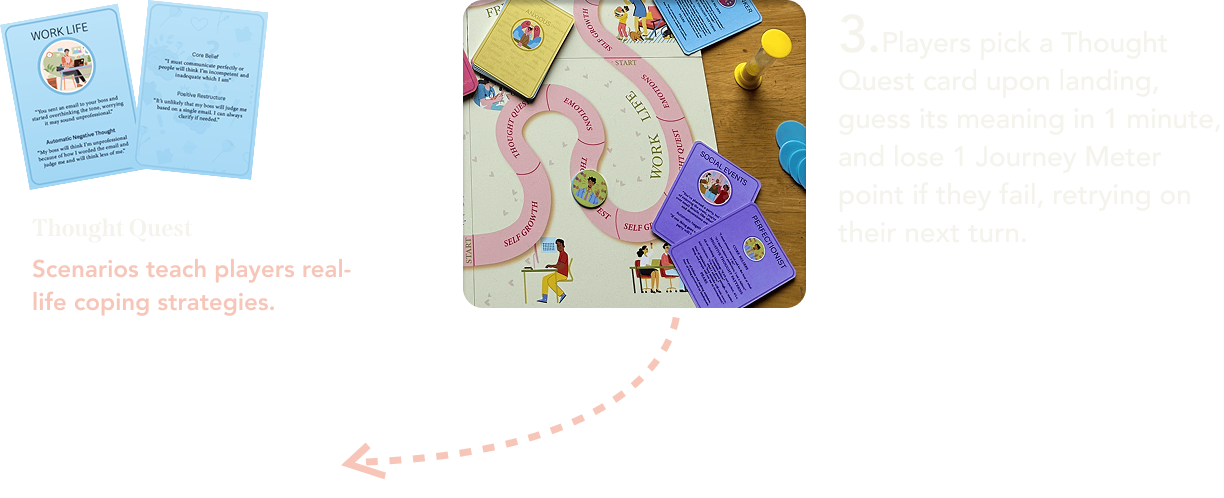
Thought Quest Cards
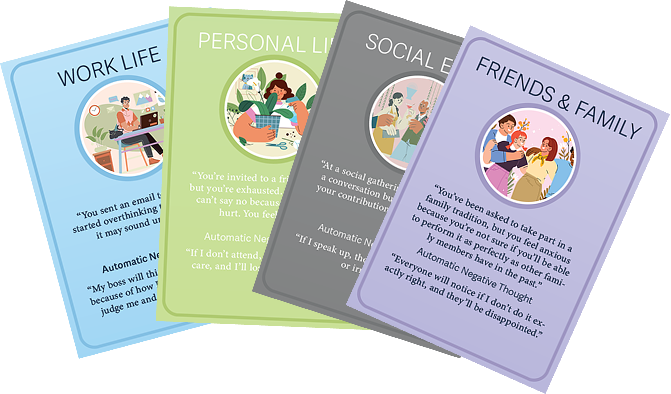
The Thought Quest deck features character-specific cards with scenarios, negative thoughts, and solutions for positive restructuring.
Coping Mechanism Cards
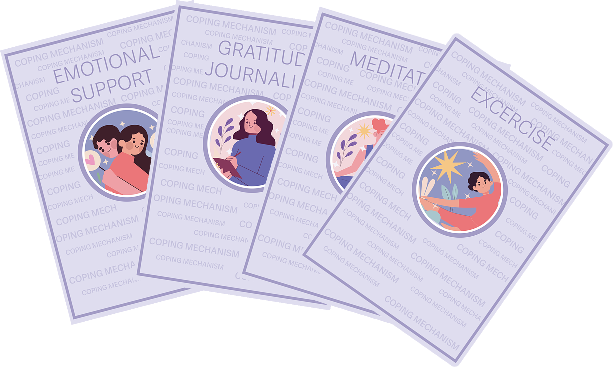
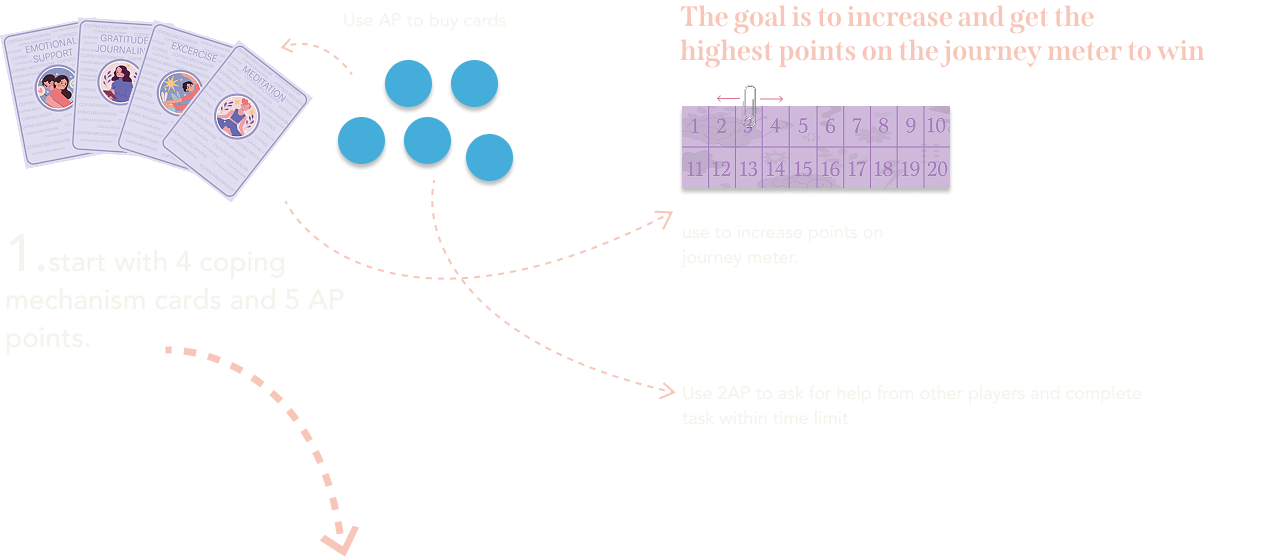
40 Coping Mechanism Cards (10 of each type: These cards are played to increase points on the journey meter.
Journey Meter
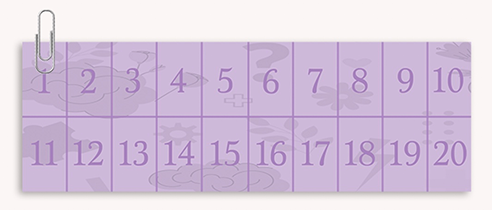
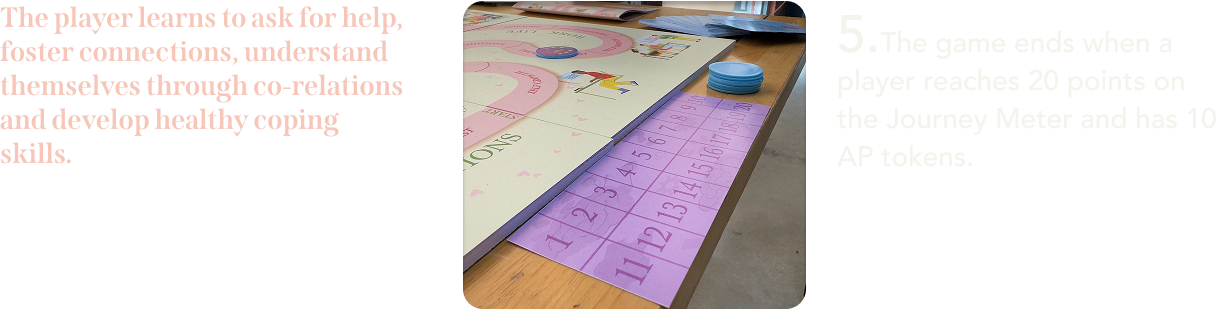
Each player has a Journey Meter tracking emotional progress, earning 1 point for successfully completing cards.
How is this game played?
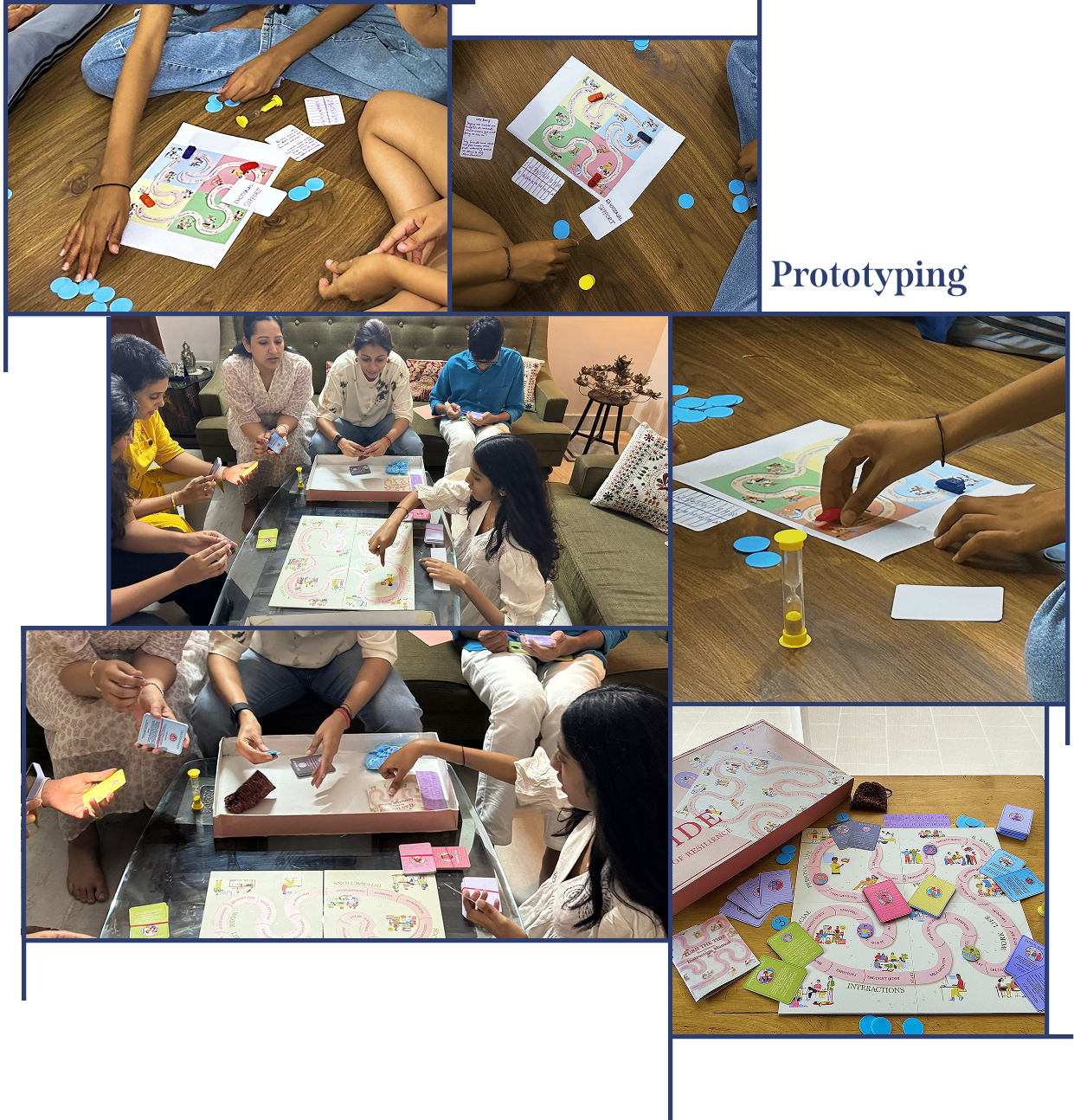
Game Testing
The game utilizes Cognitive Behavioral Therapy techniques to help young urban adults build self-confidence and develop healthier coping mechanisms by addressing their core beliefs and negative thought patterns.